Metro 
The Subway System
There are five metro lines: Red, Blue, Green, Yellow, and Orange. All lines intersect each other making it easy for passengers to transfer trains along the way.
Metrobus 
The Bus System
Metrobuses can sometimes be a more direct route than the Metro. Bus stops are easy to identify by their red, white, and blue signs.
DC Circulator 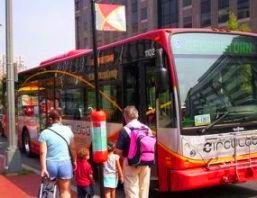
The Red Bus
The DC Circulator provides fast and cheap transportation 7 days a week for only $1 a ride. The bus runs every 10 minutes at every stop.
Zipcar 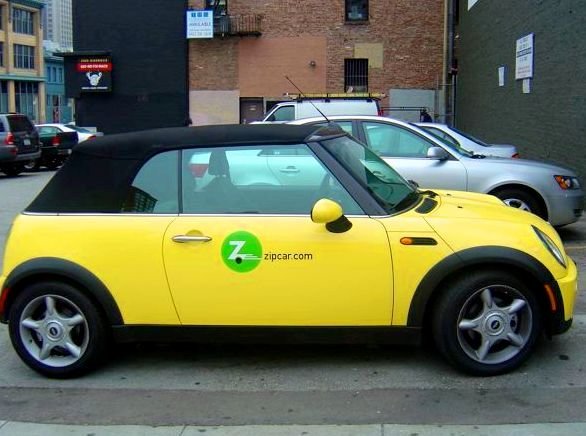
Car Sharing Service
Zipcar is a membership-based car sharing company for those who don't own a car in the city.
Taxicab 
Need a ride?
Taxicabs use time-and-distance based metered rates. The initial taxicab fare is $3 for one person, with $1.50 for each additional passenger. There is no maximum fare for trips within Washington DC.
Airports 
Flying into DC?
If you are flying to Washington DC, Ronald Reagan National Airport is the way to go because it is the closest airport to the city. Also, it is accessible by Metro. Other airports in the area include Dulles International Airport and Baltimore Washington International Airport.