

Like any other city, the nation's capital has a lot of advantages and disadvantages. Living in Washington DC is not exactly living in a state, but in between states due to its proximity to Maryland and Northern Virginia. Washington DC is a fascinating city with a variety of job opportunities in the federal and private sector, recreation, and different lifestyles. Also this is where the President of the United States lives. We have listed some of the advantages and disadvanges of living in DC:
 Entertainment: Some advantages to taking up residence in Washington DC are having lots of free things to do. Admission to the National Zoo and the Smithsonian Institution is always free of charge. With a total of 19 museums and art galleries, a visit to the Smithsonian will definitely keep you busy. Are you insterested in musical and theatrical performance? If so, the Kennedy Center provides free performances everyday at 6PM and no tickets are required. If you like jazz, visit the American Art Museum every third Thursday for free live jazz, cool drinks and great art! No tickets are required. The city offers plenty of entertainment, shopping, outdoor festivals, and excellent restaurants, bars and lounges.
Weather: In a milder climate, you get the benefits of season change. You get to enjoy the new growth of trees in the spring to the beautiful color changing season of the fall. With so many parks around the city, DC residents don�t have to travel far to enjoy the beautiful fall foliage. However, the weather tends to be very cold in winter, and hot and humid during the summer.
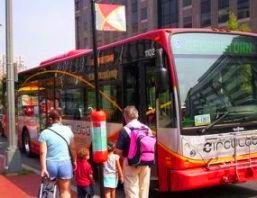
Transportation: Washington DC has access to three major airports in Northern Virginia (DCA and IAD) and Maryland (BWI). There are also Amtrak and MARC rail stations which connect travelers to popular destinations, such as NYC, Philadelphia, and Boston. The subway system, better known as Metro, connects Downtown DC to the suburbs in Maryland and Virginia. However, the Metro system does not operate 24 hours, and does not provide service to all areas of the city. For example, Georgetown does not have a Metro station. The neighborhod is only serviced by Metrobus and DC Circulator which connect Georgetown to rest of DC.
Traffic: A disadvantage to living in Washington DC is the horrific traffic and lack of street parking, particularly near the public attractions around the National Mall. Traffic is so congested during rush hour that you may not get home for a while. For this reason, many Washingtonians prefer taking the Metro rather than driving. If you want to keep your car and avoid the long commute, then the only option is living to close to work.
Real State: Housing cost is one of the highest in the United States. Most young professionals prefer renting apartments or rooms in the Northwest neighborhoods, such as Foggy Bottom, Dupont Circle, Adams Morgan, or Downtown DC. Rent is expensive, but the cost of living isn't too bad if you have a good job. Another factor affecting rent prices is the Metro; the closer you live to a metro station, the higher your rent will most likely be.
Families: Living in DC is very expensive. For this reason, many families move to the suburbs of Northern Virginia and Maryland to afford a single family home. Another problem is the public school system in the district, which is considered to be the worst in the nation. If you don�t want to pay for private school tuition to give your kids a good education, then moving to the suburbs is definitely a better choice.
People: Although DC residents tend to be friendlier than New Yorkers, they are considered to be unfriendly by outsiders because they avoid eye contact, rarely smile at strangers, and don't say "hello" when walking on an empty sidewalk. Many people also tend to be politically correct and conservative. Young professionals are constantly moving in and out of the city. Like many other places, Washington DC can be alienating. However, if you have a good network of people (i.e., coworkers), you will have a good chance of starting a good life.
Living in Washington DC also gives you the opportunity to live near people with different ethnic backgrounds, different religions, and economic levels. Like any other big city, there is gang activity. The higher crime rate is usually found in the Southeast neighborhoods, such as Anacostia.
Jobs: Although working in Washington DC means earning a higher salary, it also involves working longer hours to succeed professionally. Many families tend to sacrifice family time to achieve their ultimate goal professionally. With the amount of time that people work, their social life also tends to be absent. However, you won't find a lot of career opportunities in other parts of the country that you would find in DC.
On a better note, Washington DC is where the government resides. With the government, there is more potential for jobs in the market with government contracts. This also offers a good opportunity to be involved in politics if that interests you. The federal government is always changing keeping Washington DC on the map for years to come. Also, this is a place where employment will never die.